
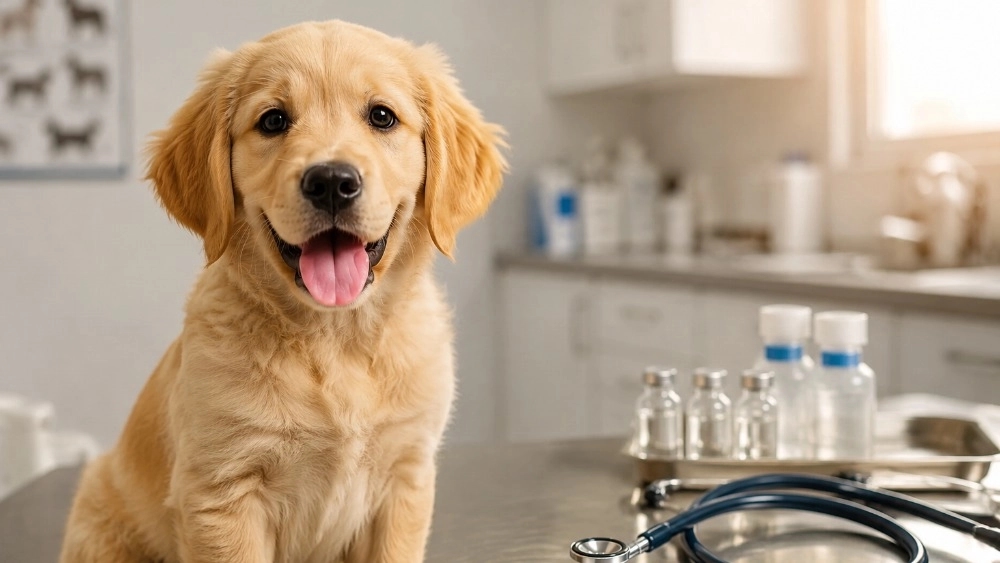
If you are in Khammam and you need a veterinarian to vaccinate or examine your dog, you can use Dr. Rezazadeh's veterinary services in Khammam.
One of the most important measures to maintain the health, well-being and increase the lifespan of dogs is timely and regular vaccination. As the most faithful companions of humans, dogs are exposed to many viral and bacterial diseases, some of which can be fatal or cause irreparable damage to the animal's health. If you live in the city of Khammam or its surrounding areas in Gilan province, access to a reputable veterinary center to perform this vital procedure will be your main concern. Dr. Rezazadeh veterinary pharmacy in Khammam, as one of the specialized and reliable centers, is ready to provide all kinds of consulting services and provide high-quality vaccines for your pets. In this article, we will comprehensively examine the issue of dog vaccines at the time of injection and post-vaccine care so that you can prevent the occurrence of dangerous diseases in your pet with full knowledge.
The importance of dog vaccination in Khammam and prevention of diseases
Prevention is always better, cheaper and easier than cure. This rule becomes doubly important in relation to pets, especially dogs. By stimulating the dog's immune system, vaccines make it resistant to pathogens. When the dog's vaccine is injected in time, the animal's body will produce the necessary antibodies to immediately fight against the real virus or bacteria in the future.
Types of dog vaccines and their classification
Core Vaccines
These vaccines are essential for all dogs, regardless of lifestyle, breed, or geographic location. The diseases covered by these vaccines are highly contagious and very difficult to treat. The main vaccines include the following:
- Rabies vaccine: Rabies is a common disease between humans and animals, which is 100% fatal, and its annual injection is required according to health laws.
- Multiple vaccine (distemper, parvovirus, hepatitis and parainfluenza): This vaccine is usually injected in combination (such as the quintuple or octuple vaccine) and protects the dog against the most dangerous digestive and respiratory viruses. does.
Dr. Rezazadeh's veterinary pharmacy in Khammam provides high safety for dogs in the region by supplying original vaccines from reputable global brands.
Non-Core Vaccines
Dog vaccine in Khammam, injection time and scheduling table
Determining the right time to inject the vaccine is the main key to its effectiveness. Puppies have temporary immunity in the first weeks of life due to mother's milk (colostrum). By reducing this maternal immunity, the puppy's body is ready to accept the dog's vaccine in Khammam.
Vaccination in infancy (from 6 to 16 weeks)
The standard vaccination schedule for puppies is usually as follows:
- Age 6 to 8 weeks: At this age, the first dose of the multiple (five-fold) vaccine is injected along with checking the general health status of the puppy. This vaccine is the beginning of the animal's immune system.
- Age 10 to 12 weeks: The first booster dose of the multiple vaccine is injected at this stage to strengthen the body's immunity.
- Age 14 to 16 weeks: The second booster dose of the multiple vaccine is injected along with the rabies vaccine. With this step completed, your dog will be immune to major diseases for the next year.
It is very important to observe the time intervals between doses. Dr. Rezazadeh's veterinary pharmacy in Khammam can be your guide in setting up this health calendar.
Vaccination of adult dogs and annual booster doses
Immunity created by vaccines is not permanent. Annual booster doses are required to maintain the level of antibodies in the dog's blood. Adult dogs should receive an annual rabies vaccine and multiple booster shots. Failure to pay attention to the annual reminder time can put the dog at risk of infection again. Therefore, regular follow-up of the dog vaccine at the time of injection and post-vaccine care for adult dogs is as important as for puppies.
Pre-vaccination care for dogs
In order for the vaccination to have the highest efficiency and cause the least complications, it is necessary to observe some points before the injection:
- General health assessment: The vaccine should only be injected into a completely healthy animal. The dog should not have symptoms such as fever, diarrhea, vomiting, anorexia or severe weakness.
- Timely deworming: The presence of internal parasites in the dog's body can reduce the response of the immune system to the vaccine. It is recommended that before the start of the vaccination period, antiparasitic treatment has been done under the supervision of Dr. Rezazadeh's veterinary pharmacy in Khammam.
- Stress reduction: Severe stress weakens the animal's immune system. Try to provide a calm environment for the dog on the day of the injection.
Post-vaccination care for dogs in Khammam
After the dog is injected with the vaccine, the animal's body begins to process the weakened or inactive agent of the vaccine. This process may be accompanied by some natural reactions or temporary side effects that require special care.
Rest and supply of quality food and water
Do not force your dog to do vigorous physical activity, run or play for long periods of time after vaccination. The animal's body needs energy to produce antibodies; Therefore, providing a warm, soft and quiet place to sleep at home is the first supportive step. Also, fresh drinking water and high-quality, fast-digesting food should be available to the dog. Mild anorexia is normal up to 24 hours after vaccination.
Prohibition of bathing and washing
One of the most important points in post-vaccine care is to avoid bathing the dog. Do not bathe your dog for at least one week after vaccination. The penetration of water into the injection site and the change in body temperature caused by washing can put pressure on the immune system and increase the possibility of a cold or infection at the injection site.
Taking care of the injection site
The injection site may experience slight inflammation, redness or slight swelling. Avoid massaging, rubbing or applying very hot or cold compresses without consulting. These swellings usually resolve naturally within a few days. If you see abnormal swelling or discharge from the injection site, follow up immediately.
Quarantine and lack of contact with non-vaccinated dogs
By the time puppies complete their vaccination course (that is, about two weeks after receiving the last booster dose at 16 weeks), their immune system is not fully resistant. During this critical period, avoid taking the puppy to parks, sidewalks, and public places, and do not allow him to interact with stray dogs or dogs whose vaccination status you are not sure about. Dr. Rezazadeh's veterinary pharmacy in Khammam always emphasizes that timely quarantine is the main complement of successful vaccination.
Dog vaccine side effects and how to manage them
Vaccines are generally safe, but like any other biological drug, they can cause reactions in the body. Knowing these complications will help you to keep calm and take action at the right time.
Normal and mild side effects
These complications usually appear within the first 24 to 48 hours after the injection and resolve by themselves:
- Mild fever and mild lethargy
- Decreased desire to play and sleepiness
- Slight tenderness at the injection site when touched
- Mild sneezing or coughing (especially after inhalation vaccines)
In this situation, only providing a calm environment and monitoring the general condition of the dog is enough.
Severe and emergency complications (anaphylaxis)
Although severe allergic reactions are very rare, they require immediate intervention if they occur. These symptoms usually occur in the first minutes to a few hours after the injection:
- Severe swelling of the face, muzzle, around the eyes or throat
- Severe skin hives and severe itching of the body
- Difficulty breathing, persistent wheezing or severe coughing
- Frequent vomiting, severe diarrhea or convulsions
- Severe lethargy and loss of balance in the animal
If you see any of these symptoms, you should go to the medical center immediately. Dr. Rezazade's veterinary pharmacy in Khammam always supports your pet's health in critical times by providing the necessary medical advice.
The role of Dr. Rezazadeh's veterinary pharmacy in ensuring the health of your pet
Choosing the right center to prepare and monitor the vaccination process is very important. The cold chain of vaccine storage, brand authenticity, valid expiration date, and the way the vaccine is transferred are determining factors in its effectiveness. If the vaccine is not kept at the right temperature, it will lose its effectiveness and its injection will be useless.
Dr. Rezazadeh's veterinary pharmacy in Khammam, by using standard cooling equipment and direct supply of valid veterinary drugs and vaccines, assures pet owners that they receive a high-quality and effective product. In addition to providing dog vaccines in Khammam, basic guidance and advice regarding the best injection time and post-vaccine care are other valuable services of this collection in Gilan province to give health and vitality to your pets.